FireKing Door Installation for Storage Facilities: Commercial Garage Door Service Approaches
Walk right into any type of active storage facility and you can inform within secs whether the door systems were planned by people who understand real operations. Web traffic moves cleanly, fire separations rest where they should, and solution calls are uncommon. That is the standard FireKing fire-rated doors intend to support when they are defined properly and set up with treatment. Arriving takes more than hanging a drape and linking a release gadget. It takes a thoughtful mix of code knowledge, mechanical accuracy, and a maintenance strategy that holds up under forklifts, swings in temperature level, and a requiring change schedule.
I have handled Industrial Garage Door Installation jobs that sailed with examination and others that required midnight modifications due to the fact that a launch cable television was routed wrong or a control panel lacked the right relay. The distinction always shows up in the early planning and in the handoff to individuals who will live with the door day in day out. If your extent consists of FireKing fire-rated rolling doors or equivalent, this guide maps the methods that keep you in a timely manner, on budget plan, and in compliance.
Where Fire Doors Fit in a Warehouse
Fire-rated doors do not make a structure fire-resistant. They get time, block smoke and flame long enough for people to venture out, and protect supply zones so the incident remains had. Storehouses use them to divide manufacturing from storage space, isolate unsafe products areas, secure corridors with high-pile storage space, and block shipping locations from mezzanines. When the regional code implements a fire dividing or a fire wall, that opening requires a ranked closure that shuts immediately upon alarm or heat.
This is where FireKing and similar items have a tendency to radiate. Rolling steel fire doors put right into limited headroom, manage wind and stress differentials better than lots of sectional options, and tolerate the occasional forklift bump when guides and angles are sized and anchored properly. They likewise integrate smoothly right into Industrial Garage Door Service regimens, given that the same solution teams that manage garage door repair work on sectional docks can inspect, drop-test, and reset these fire systems with the right training.
Codes, Listings, and What Inspectors Really Check
NFPA 80 governs the installation and maintenance of fire doors and various other opening up protectives in the majority of jurisdictions. The International Building ordinance after that referrals NFPA 80 and drives your score and smoke control needs. Ultimately, the listing labels on the door and its elements are your evidence that the set up setup matches a checked assembly.
Three truths matter on the ground:
- The tag on the door curtain or panel, the label on the guides or structure, and the label on the launch gadget must be visible and match the intended ranking. If you trim or paint over a tag, you are buying yourself a return trip.
- Smoke control is a separate performance attribute. If the opening sits in a smoke partition or corridor, the door might need smoke gasketing and an S label revealing air leakage compliance per UL 1784. Do not assume a 3-hour fire tag covers smoke.
- Annual decrease screening is not optional. NFPA 80 requires useful testing and documentation annually. If your Business garage door repair work supplier does not provide this, you require one who does. Closing rate should drop within the typical 6 to 24 inches per second variety, and the door must reset effectively after the test.
I have had Authorities Having Territory focus in on release wiring polarity, the presence of hands-on means of egress on pedestrian courses, and whether the door self-closes when the alarm triggers with no human intervention. Style your submittals, setup, and signoff procedure around those checks.
Pre-Construction Survey: The 90 Minutes That Save You 9 Hours
Most delays start with a negative presumption regarding structure, power, or clearances. Walk the opening with a tape, a level, and a video camera before you ever launch products. The door you make need to match the wall that exists, not the wall the illustrations imagined.
Here is a field-proven pre-bid study checklist that keeps shocks in check:

- Verify clear opening width and elevation to the nearby quarter inch, then validate plumb and level on both jambs and throughout the header.
- Measure headroom to the local obstruction, consisting of channel, sprinkler keys, and the lowest point of the roof deck, and note ceiling pitch.
- Identify the substratum at jambs and head, then choose anchor patterns that fit it, whether that is grouted CMU, hollow block, tube steel, or poured concrete.
- Map web traffic paths and devices turning span so guide guards, bollards, and picture eyes do not come to be forklift bait.
- Confirm emergency alarm panel place, readily available supporting relays, and whether the release device will certainly be triggered by heat, smoke, or a monitored circuit from the FACP.
That last point is big. Too many installs stall at appointing because the alarm supplier appears with a dry get in touch with when the release requires power, or the door supplier presumed a fusible link alone would satisfy the style. Place those expectations in writing early, in addition to any kind of need for a smoke detector near the opening if the zone lacks one.
Choosing the Right Fire Door Assembly
There is no single best fire-rated door. Instead, there is a best match for the wall surface ranking, opening size, responsibility cycle, and operational context.
Rolling steel fire doors are the common option for large warehouse openings. They package the counterbalance in the barrel, need smaller sized impacts than sectional devices, and drop shut when launched by warmth or alarm. If constant biking is expected, specify a motor driver https://overheaddoorjoliet.com/products/commercial-and-industrial/high-speed-fabric-doors/high-speed-exterior-fabric-door-993/ ranked for responsibility and verify the spring life matches web traffic. Fire doors can currently be rated for hundreds of cycles each day when crafted in this way. Do not starve an active lane with a release-only driver when you truly require an electric hoist with interlock logic.
Where pedestrian egress is required through the opening, a separate swing door in an adjacent wall surface is commonly the cleanest response. Pass-through doors inside fire-rated rolling curtains are unusual and complex, and they often torpedo the listing or end up being a maintenance headache. Keep people and lift vehicles on different paths whenever style allows.
For smoke control, seek S-labeled gasketing strategies that will make it through dirt and scuffing. Brush seals and versatile astragals do fine when guides are plumb and the piece is even. If your slab is crowned or unequal, allocate a field-formed sill or a bottom bar account that suits variant without creating a journey hazard.
Finally, focus on hood and overview material. Galvanized steel is common, yet powder-coated parts deal with destructive atmospheres and seaside wetness much better. Stainless might be required in food handling areas. Ask what the AHJ expects in washdown locations so you do not have to retrofit later.
Structural Reality: Anchors, Guides, and Loads
Fire doors are as solid as the wall surfaces that hold them. I have seen a 12 foot by 14 foot door perform perfectly in testing, after that draw half an inch out of plumb within a year since it was anchored into hollow CMU with small sleeve supports. Anticipate dynamic loads from wind or stress events and from the power of a quick drop during testing. Dimension guides and fasteners for that.
A couple of details pay long-term returns:
- On CMU wall surfaces, make use of through-bolts and backer plates where the listing permits, or wet-set supports in grouted cells. If that is not feasible, boost anchor count and define high-shear, chemical anchors with cure verification.
- Shim guides to plumb within limited resistances. For a 16 foot elevation, I attempt to maintain variance under 1/8 inch. Anything sloppier shows up as massaging, noisy procedure, and stopped working decrease tests.
- Add steel angle bollards or inconspicuous guard rails to maintain forklift forks and pallets from clipping the guides. A four inch change exterior from the clear opening usually saves the day without narrowing the path also much.
If you think about a fire door as a moving wall instead of a huge garage door, your anchoring instincts enhance. The door must really feel incorporated with the structure, not mounted to it as an afterthought.
Electrical and Controls: Where Projects Win or Lose Time
Release and electric motor control is where a clean Commercial Garage Door Solution plan begins. Maintain the wiring simple, identified, and draw a one-line schematic that solution technologies can identify at 2 a.m.
Common patterns that function:
- Alarm assimilation through a supervised release device wired to the smoke alarm control panel, with local test buttons and a warm detector near the opening as backup.
- Interlocks that hold the curtain open when a car is in the threshold, utilizing image eyes or visibility sensors, but that constantly default to shut on alarm system. Safety gadgets should fall short safe without jeopardizing the door's closing on fire signal.
- Manual release at 5 to 6 feet over finished floor for easily accessible testing, with a noticeable tag that describes the reset procedure.
Auto-reset after alarm is a feature worth the cash if your operations team can not extra time to hand-wind the barrel after every examination. Many modern-day fire door operators will certainly shut on signal, then resume and reset automatically when the alarm system clears. Ensure the smoke alarm professional understands the present draw and relay kinds the driver expects. A mismatch here is the quickest course to finger-pointing.
Day-of-Install Playbook
Good installers do the exact same little things every single time, which is why their strike listings are short and their doors pass initial try. A crisp sequence keeps the work moving and the website safe.
The adhering to five-step area sequence has verified reputable across stockroom tasks:
- Stage elements in order, check tags against submittals, and verify equipment bags include fusible links, release cords, and tags prior to you uncrate anything.
- Set and plumb the overviews initially, after that hang the barrel and curtain, examining drape balance and endlocks as you go.
- Mount the hood and smoke seals, after that line up the bottom bar to the flooring and adjust for even call without drag or daylight.
- Wire the driver and launch device, land the alarm system connections, label the conductors, and photo terminations for the bargain log.
- Perform the NFPA 80 drop test, file closing rate and reset method, and review the manual release and testing procedure with the facility lead while you are still on site.
On a smooth site, that series can bring a mid-sized door from dog crate to signoff within a day. Larger doors or tough substrates can increase that time. What matters is resisting need to run conduit prior to the guides are true, or to reduce corners on labeling due to the fact that the GC is pushing you to get rid of the lane.
Commissioning: Go down Examinations, Rate, and Documentation
Commissioning is more than the very first decline examination. It is the minute you prove the mounted system acts under alarm the way the illustrations assured. I track three numbers consistently:
- Closing rate, determined as typical inches per second over the majority of travel. I such as to note 2 factors 6 feet apart on the overview and time the lower bar. Rates outside 6 to 24 inches per second typically point to spring stress or governor issues.
- Closing pressure at the sill, observed securely using a test block and confirming the guv prevents a bang. Excess pressure can warp the lower bar, break flooring supports, or damage smoke seals.
- Reset time and technique, taped in the O&M so the service group knows specifically just how to bring back the door after an actual alarm system or an annual test.
Inspectors also search for signs. Location the testing instruction tag on the launch, keep the label visible on the curtain, and save the upkeep log in a recognized place. I favor a weatherproof sleeve on the jamb or a binder in the maintenance workplace with a QR code at the door connecting to it.
Separating Fire Doors from Everyday Garage Door Traffic
A storehouse lives or passes away by throughput. You likely currently have sectional doors, dock levelers, and high-speed vinyl curtains for day-to-day use. Fire-rated rolling doors are not implied to take care of all that biking unless you have specified drivers for it. That is where a smart Industrial Garage Door Service strategy reveals its value.
If the opening sits in a primary traffic lane, set the fire-rated door with a high-speed door placed on the same jamb aircraft but inboard, after that interlace them so the non-rated door manages the daily duty and the fire-rated system stays elevated besides examinations and occasions. This method decreases endure the fire door substantially and keeps your alarm logic simple. Operators can regulate both to shut upon alarm system, or keep the quick door open while the fire door declines, depending on the egress plan and AHJ guidance.
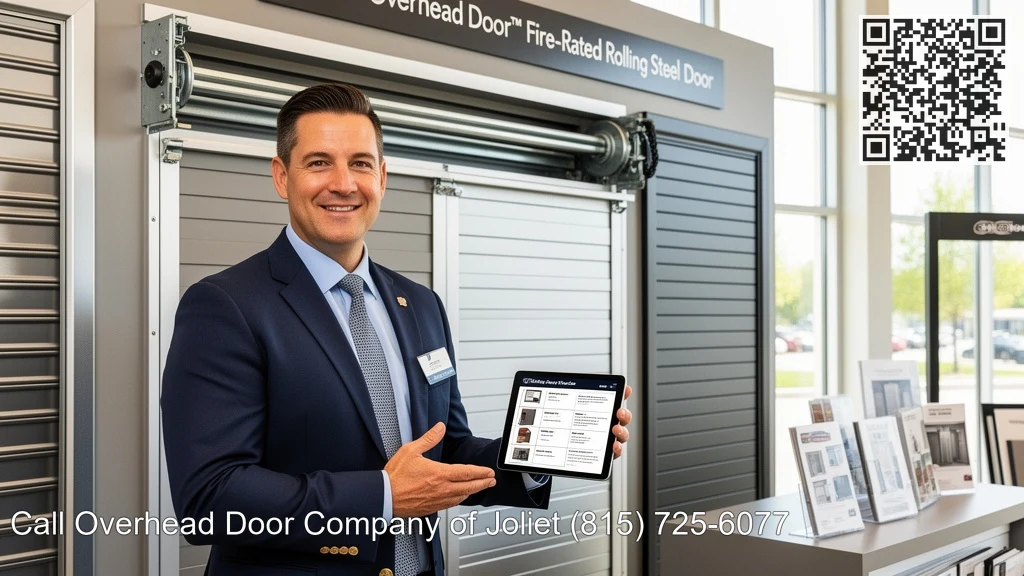
Cold Storage space, Dust, and Various Other Side Cases
Some stockroom conditions push doors harder than normal.
Cold areas and fridges freezer produce negative stress that can draw a curtain off its overviews otherwise resolved. Use wind locks or structural overviews rated for the stress differential and tighten resistances on smoke seals. In these rooms, electric motor drivers must have cold-weather grease and warmed rooms as needed.
Grain, flour, and various other fine dirts penetrate endlocks and governors. I have actually seen doors that shut flawlessly during commissioning grind to a stop 3 months later since dust developed on the guide angles. Define covered bearings where offered and include compressed air cleaning in the month-to-month PM for messy areas. Likewise, deal with the smoke alarm vendor on detector placement so a non-hazardous dust event does not cause problem closures.
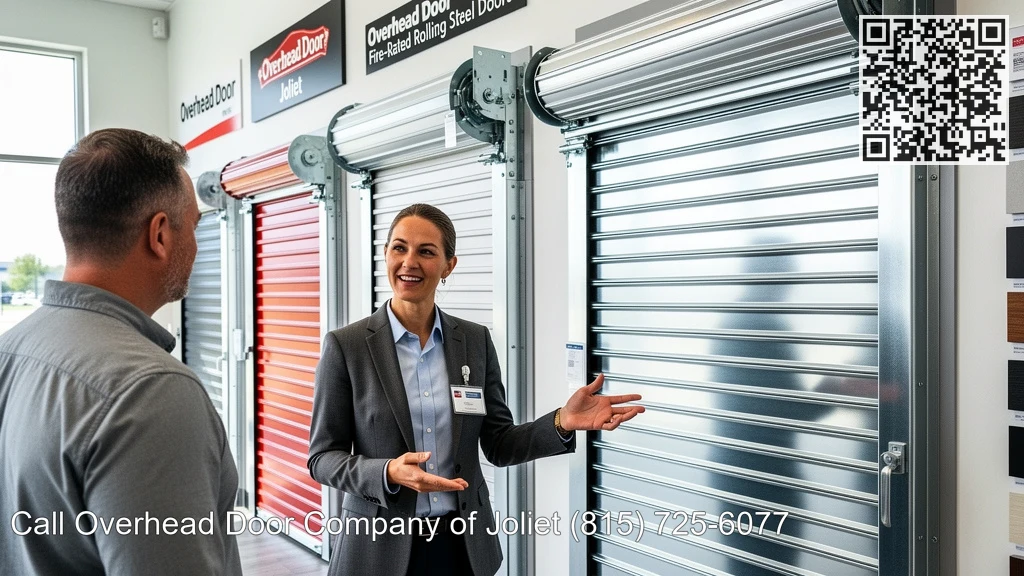
In harsh settings like battery billing locations, select surfaces that resist acid vapor and wash dash. Stainless bolts and powder-coated hoods are not attachments. They are life-extension strategies that decrease Garage Door Solution calls and maintain drop examinations smooth.
Training the People Who Will Certainly Live With the Door
Train the front-line supervisors and maintenance techs before you turn the lane back over to procedures. 10 minutes of hands-on time prevents a lot of the distress calls that can be found in later.
I always cover three essentials on site:
- How to utilize the manual release and what to anticipate when they draw it. Individuals worry if a 14 foot drape starts moving and they do not recognize what will certainly occur next.
- Where the breaker, detach, and control fuses are, plus a laminated one-line for the driver and release device.
- How to read the examination tag and keep the log current. If they understand annual testing is a code need with a clear treatment, they schedule it without drama.
Document your training with a sign-in sheet, put a spare fusible web link and 2 wedge pins in a labeled bag on the jamb, and leave a service sticker with a 24 hour number. That is easy, old-fashioned Commercial Garage Door Service, and it works.
Building a Solution Schedule That Sticks
A fire door that is never ever worked out is a door that will certainly stop working decline testing at the worst time. Your Garage Door Service strategy ought to transform this right into a light, predictable touch as opposed to a frenzied push before inspection week.
A strong schedule looks like this in technique:
- Monthly visual check of guides, seals, and supports, plus a short functional cycle if the design permits. Wipe dirt from guides in dirty areas. Confirm picture eyes are tidy on motorized units.
- Semi-annual practical examination without complete decline if procedures can not allow, still confirming alarm release and reset logic. Lots of facilities execute one partial examination and one full test each year to stabilize risk and compliance.
- Annual NFPA 80 decline test with paperwork of speed, reset, and any type of adjustments made. Keep a copy of the signed test kind with the upkeep records and send out a digital copy to the security manager.
Tie these jobs to your more comprehensive Business garage door repair program. The very same techs who change torsion springtimes on sectional doors can tighten up chain tension on a fire door driver and replace used bottom bar seals. When you bundle service, you decrease traveling time and capture issues early.
What a Good Closeout Plan Includes
Closeout is not a folder loaded with PDFs. It is your procedures insurance plan. I aim for 5 clear elements:
- As-built drawings with cable television transmitting, conduit size, and junction box locations noted.
- Manufacturer information sheets and listing information, consisting of the specific version numbers installed.
- The one-line circuitry representation with alarm system user interface specifics, relay kinds, and any type of jumpers used.
- The preliminary decline examination form revealing rate, reset technique, and trademarks from installer and center representative.
- The upkeep log with the following due day highlighted, plus call details for Business Garage Door Service.
Put those in a digital binder and on paper. Stick a QR code at eye degree on the jamb that takes a supervisor right to the binder. That square of plastic cuts your solution dispatch time significantly when a night shift needs help.
A Brief Anecdote on Doing It Right
We set up a collection of 20 foot by 20 foot fire-rated rolling doors separating a packaging line from raw storage in a food plant. The original illustrations ignored a big lawn sprinkler primary that chewed out headroom on one opening. During the pre-bid stroll we captured the dispute and gotten used to a smaller hood with a limited fascia. 2 months later on, appointing day arrived. The AHJ asked about smoke control, which the specification had actually not needed. Since we had actually confirmed pressure differentials throughout design, we consisted of S-labeled seals anyhow. The examiner nodded, signed off, and asked for our upkeep schedule. We handed him the log with the following year's decline test pre-scheduled. Operations never missed out on a shift.
Small choices accumulate. That is the attitude to offer any kind of Business Garage Door Setup entailing fire-rated assemblies.
Cost, Lead Times, and Where Not to Cut
Fire-rated rolling doors set you back more than common rolling or sectional doors, often by 30 to 70 percent for similar sizes, with bigger costs for stainless or high-cycle operators. Lead times can vary from 4 to 10 weeks depending on surface, smoke seals, and custom-made hoods. Plan your phasing around that fact. Order early when measurements are secured, and do not cut the operator specification to save a couple of points if the lane will certainly cycle all day.
Where to invest without regret:
- A motor operator with auto-reset and clear diagnostics. It minimizes solution calls and makes annual screening faster.
- Protective steel around the overviews. One solid hit can cost more than these guards across the whole project.
- Proper anchoring hardware and, if needed, core drilling and grouting at the jambs. A secure structure is priceless.
Where to conserve securely:
- Standard galvanizing for dry interior rooms with light washdown requirements. Expensive surfaces are not required unless the environment demands them.
- Vision panels, if the AHJ allows them, are seldom valuable ablaze curtains and can make complex listings. Electronic cameras or traffic signal upstream do extra for safety.
Tying Everything Together
Treat a fire-rated rolling door as life security tools that likewise has to play perfectly with a living, breathing warehouse. Survey before you acquire. Support to match the actual wall surface. Wire the launch so any kind of alarm drops the door, each time, and make that logic simple to read on a layout. Train the team that will button at 3 a.m. Then keep the door in your Garage Door Solution rotation with documented checks and annual drop tests.
Do those points and you will certainly feel it instantly on the floor. Pallets move with fewer stops. Supervisors quit bothering with the next evaluation. And when you do get that uncommon heat or smoke event, the door does specifically what it was developed to do, no dramatization, no thinking. That is the mark of a stockroom that takes Business Garage Door Solution seriously, from garage door installment through garage door fixing, across the entire life of the building.
 Ask ChatGPT
 Ask Grok
 Ask Perplexity
 Ask Claude
 Ask Google AI
 Ask You